Housing
Can't Wait
If your kids and grandkids can’t find a home in Niagara, they are not alone. Niagara needs more housing options that fit different needs, incomes and stages of life.




If your kids and grandkids can’t find a home in Niagara, they are not alone. Niagara needs more housing options that fit different needs, incomes and stages of life.
Households in Niagara earn just 53% of the income needed to afford a home.
 Why It Matters
Housing affects whether people can stay close to work, family, school and support networks. When housing is out of reach, communities feel the impact. A variety of housing options mean:

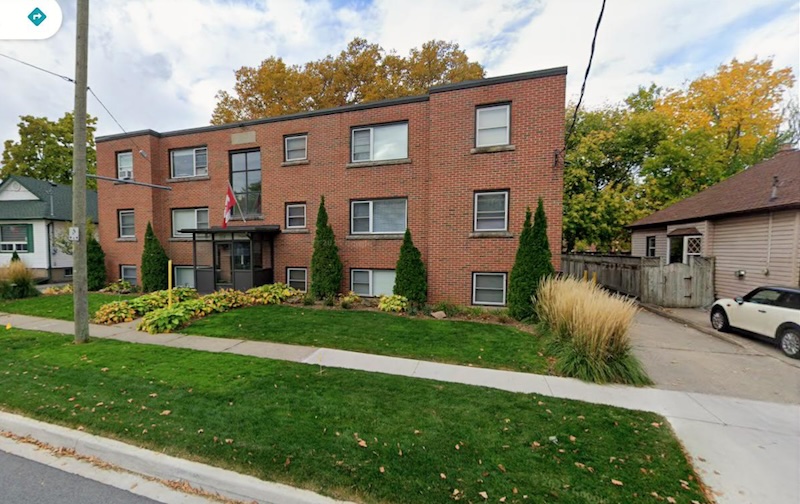
Not every household needs or can afford the same kind of home. Niagara needs a wider mix of housing so more people can find a home that fits their income, household size and stage of life. That includes options such as duplexes, triplexes, townhomes, secondary suites, apartments and other forms of mixed housing.
This is not about changing every neighbourhood. It is about adding more housing choices so workers, families, seniors and young people can continue to live in Niagara.
Learn more about mixed housingPeople have valid questions about traffic, parking, neighbourhood fit and what new housing means for their community. Get the facts about how well-planned mixed housing can support complete communities in Niagara.
More housing always means more traffic.
 FALSE
FALSE

Mixed housing is the same as social housing.
FALSE
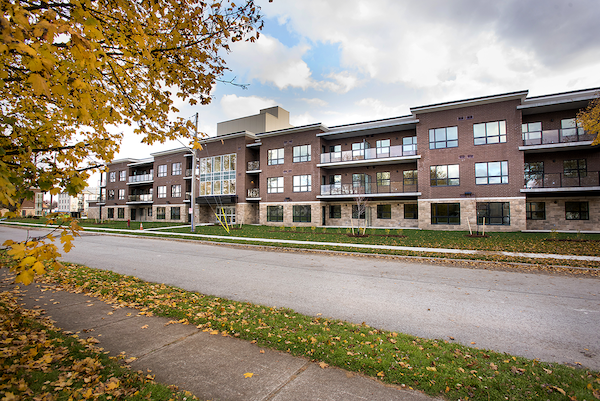
Since 2004, lower-end new home prices have risen by 265%, while young dual-earner incomes grew 76%. Across 23 countries with available OECD data, Canada experienced the sharpest rise in the home price-to-income ratio, up more than 80 per cent over the past two decades.
Read Full Story16.3% of millennials in 2021 lived with parents, compared to 8.2% of baby boomers in 1991. Millennials in 2021 were twice as likely to live with their parents than baby boomers were when they were young adults, according to a new report — though the high cost of housing isn't entirely to blame.
Read Full Story