What mixed housing
means in Niagara
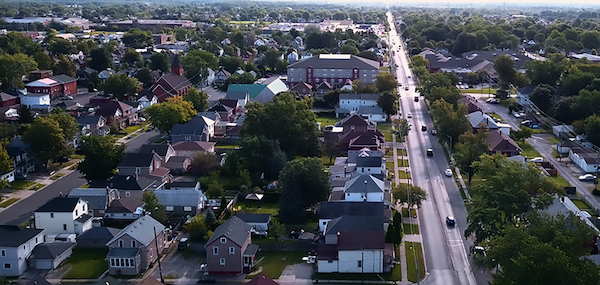
Mixed housing is not about one type of housing replacing another. It is about adding more choices, so Niagara can meet changing community needs.



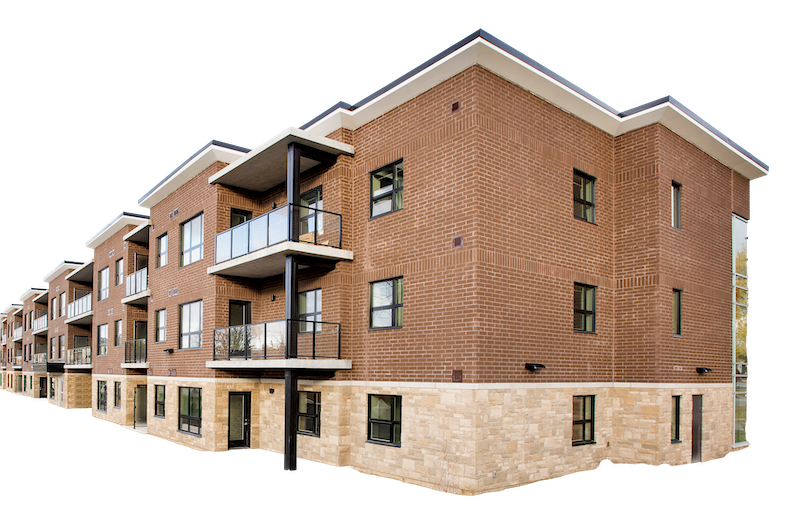
Mixed housing is not about one type of housing replacing another. It is about adding more choices, so Niagara can meet changing community needs.
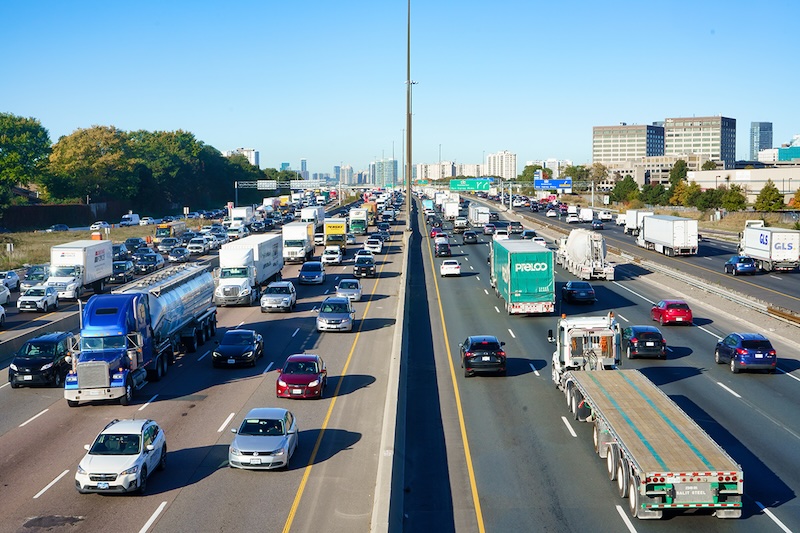
When people cannot find housing that fits their needs and budget, the impact is felt across Niagara. Workers face longer commutes, families have fewer choices, older adults may be unable to downsize locally and young people may leave the region altogether.
A greater mix of homes — including duplexes, townhomes, secondary suites, apartments and other flexible housing options — can help more people find a home close to work, family, schools and services. More housing choice means stronger communities, a more stable workforce and neighbourhoods that can support people at different stages of life.
Not every household needs or can afford the same type of home. Mixed housing means planning for a wider range of homes in Niagara so more people can find a place that works for their life.
This can include:
This is not about replacing existing neighbourhoods. It is about adding more housing choices over time so Niagara can meet changing community needs.
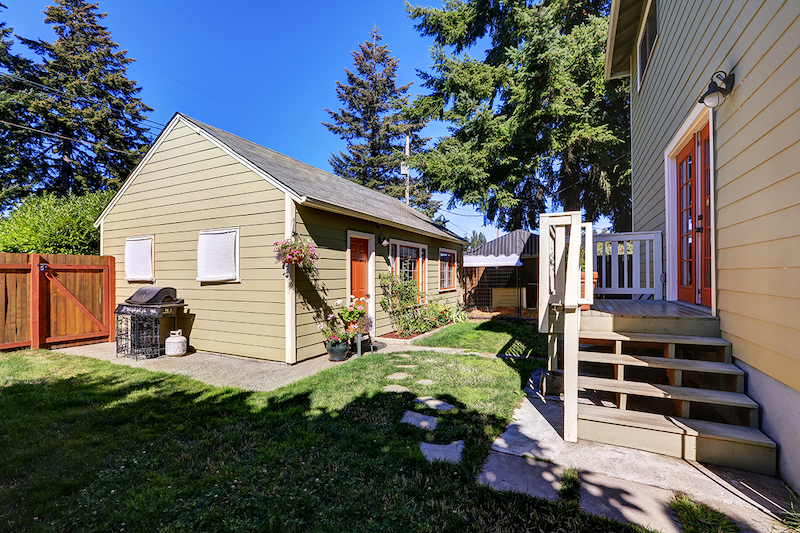

A smaller, self-contained home on the same property as a main house, such as a basement apartment or garden suite.
Housing that costs no more than 30% of a household’s gross income, including rent or mortgage payments, utilities and taxes.
Housing that is within reach for middle-income households. It helps fill the gap between subsidized housing and higher-priced market housing.
A measure of how many homes or people are located within a certain area. In practice, this can include townhomes, apartments or smaller lot sizes that make better use of land and infrastructure.
Homes such as duplexes, triplexes, fourplexes and townhomes that sit between detached houses and larger apartment buildings. These housing types can help create more housing choice in complete neighbourhoods.
"Will more housing lower property values?"
 FALSE
FALSE
"Does more density mean more crime?"
FALSE
"Is mixed housing the same as social housing?"
FALSE